
Why it happens behind the gutter
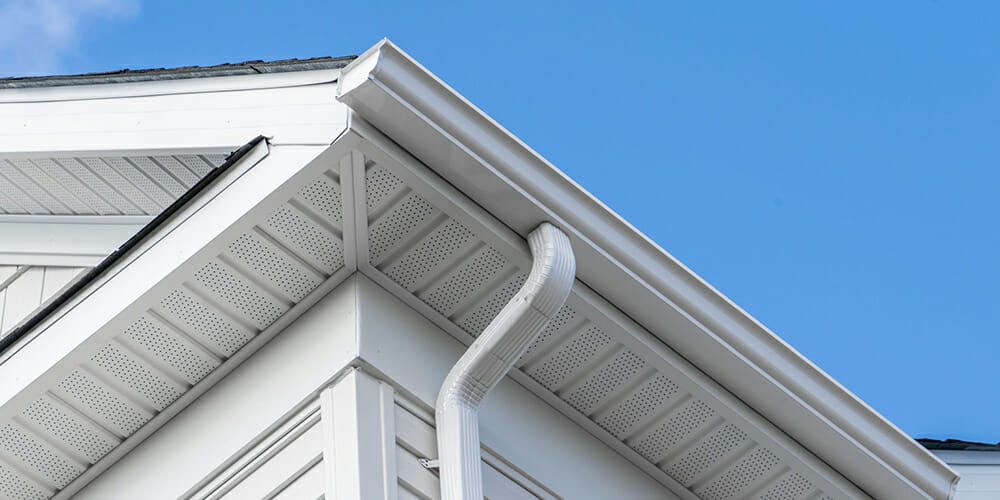
Water that goes over the back lip instead of the front runs straight down the fascia face, behind the gutter, where nothing dries it out.
That happens when the trough is clogged, when the pitch is wrong, or when there's no drip edge directing water into the gutter rather than behind it. A missing or short drip edge is the cause people never suspect.
Checking it yourself
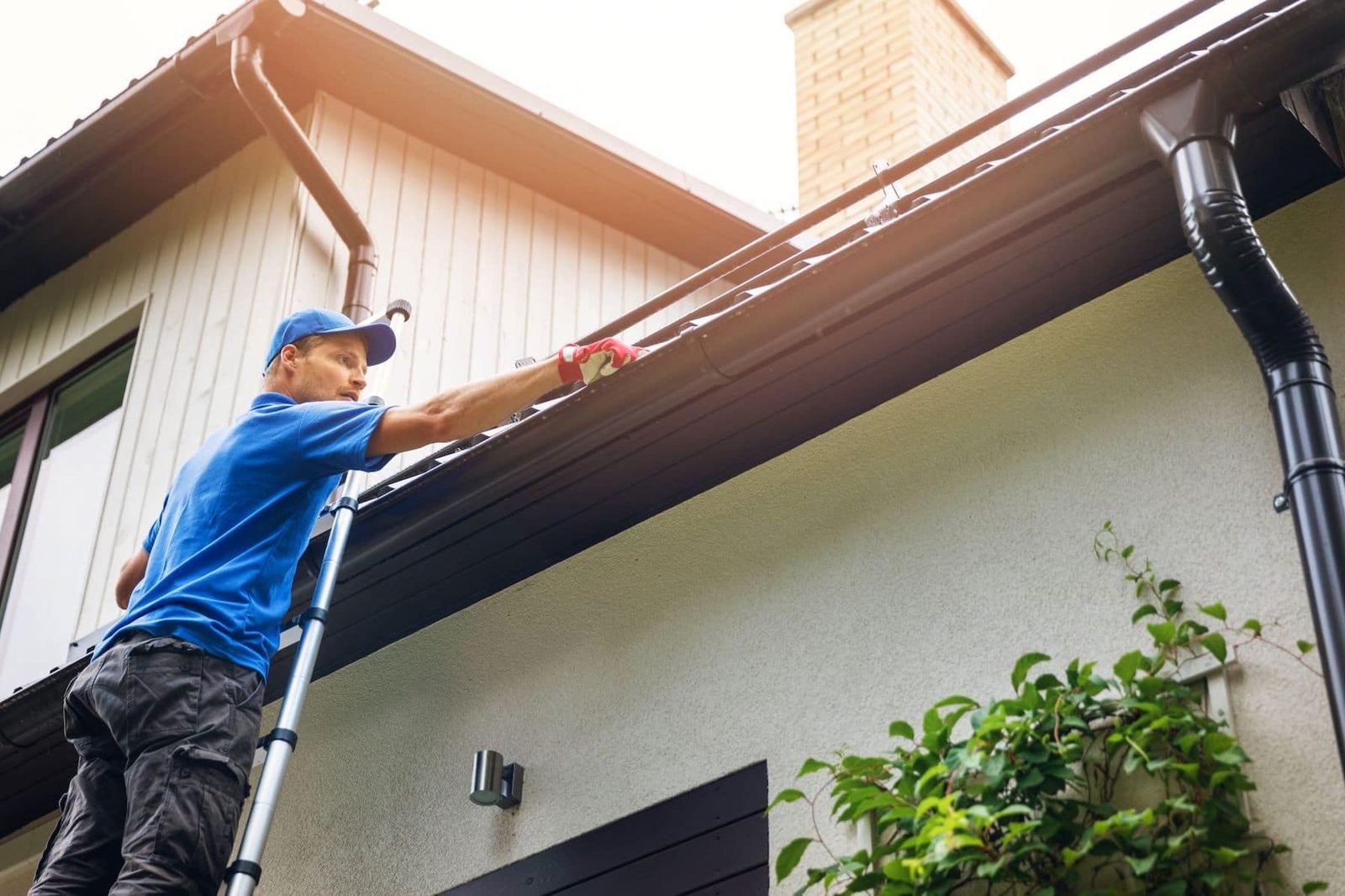
From a ladder, press firmly along the board with a thumb every couple of feet. Soft, spongy, or crumbling means rot.
From the ground, look for bubbling paint, a dark waterline, or a gutter that has visibly rotated away from the house at the top. Any of those means take a closer look.
Repair versus wrap
Rotted sections get cut out and replaced with new lumber. That's the baseline.
Then it can be painted, or wrapped in aluminum trim coil bent to the profile. Wrapped fascia doesn't absorb water and never needs repainting, which on a house that's had this problem twice is the honest recommendation.
Doing it in the right order
Fascia work happens with the gutter down. That's why we look at the board on every replacement job and why we flag it at the measure where we can.
Hanging new gutter first and dealing with the wood later means taking the new gutter back off.
Questions people ask
How do I know if my fascia is rotted?
Press it under the gutter line. Give, sponginess or crumbling means rot. Bubbling paint is a strong hint.
Can you replace fascia without removing the gutters?
No. The gutter has to come off for access, which is why it's done together.
Should I wrap fascia in aluminum?
On a board that's already rotted once, yes. It ends the absorption and the repaint cycle.
What causes fascia rot in the first place?
Water behind the gutter — from clogs, bad pitch, or a missing drip edge.
Free estimate
We measure, we look at the fascia, and you get a number in writing.
Talk to a real St. Louis gutter company
Third generation, family-run since 1947. Somebody picks up, day or night.